
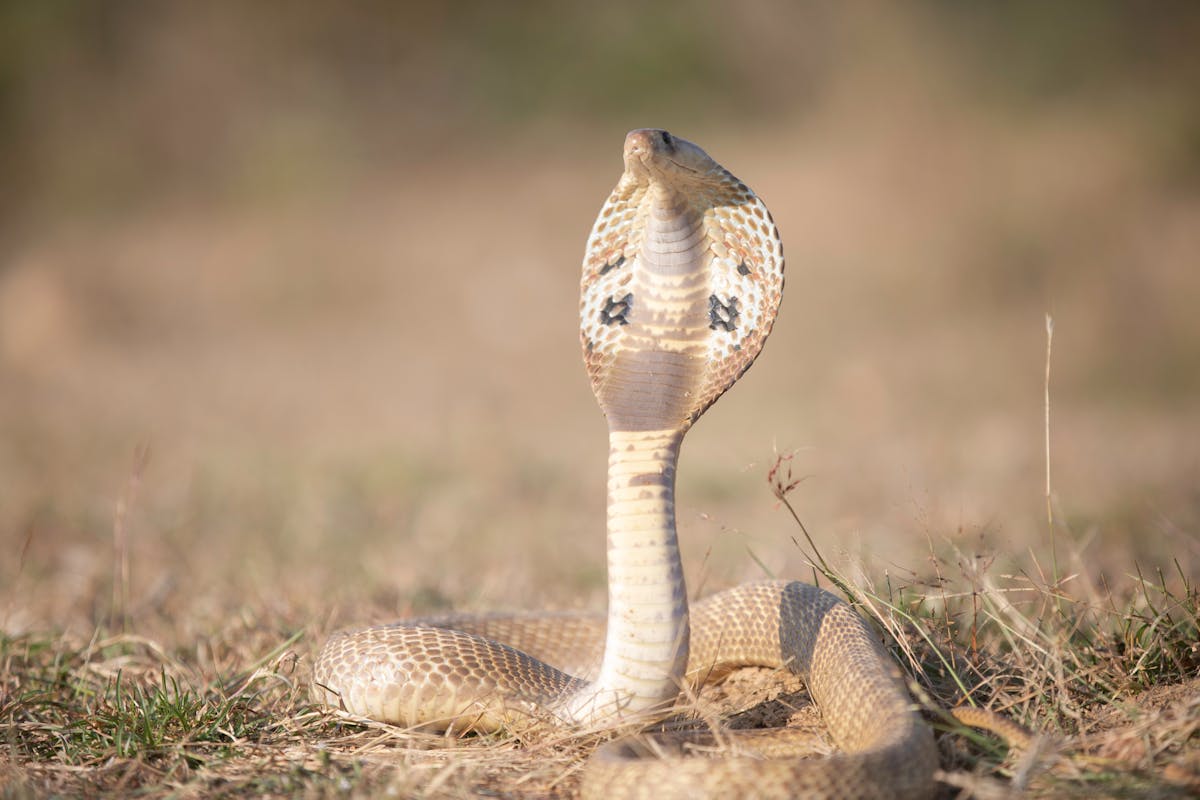
Nag Panchami, a sacred Hindu festival dedicated to serpent worship, will be celebrated on July 29, 2025. Nag Panchami is a traditional Hindu festival celebrated across India, Nepal, and other parts of South Asia to worship serpent deities or Nāgas. It is observed on the fifth day (Panchami) of the bright half of the lunar month of Shravana (July–August), a time that is considered highly auspicious in the Hindu calendar.
This festival holds deep spiritual significance, reflecting humanity’s reverence for nature and creatures like snakes, often associated with fertility, rainfall, and protection from evil.
Mythological Significance
In Hindu mythology, serpents occupy a sacred position. Lord Shiva is depicted with a snake coiled around his neck, symbolizing control over fear and death. Lord Vishnu rests on the serpent Ananta Shesha in the cosmic ocean. Stories from the Mahabharata and Puranas also reference the power and blessings of Nāgas.
One popular legend associated with Nag Panchami is the tale of Astika Muni, who saved the serpent race from being exterminated during King Janamejaya’s snake sacrifice (Sarpa Satra). His intervention on Panchami day led to the tradition of honoring snakes with offerings and prayers.
Rituals and Traditions
Nag Panchami rituals vary across regions, but some common practices include:
Worship of Snake Idols: People offer milk, turmeric, sandalwood, flowers, and sweets to clay or silver snake idols, or real snakes (mainly cobras), especially near anthills, snake pits, or Shiva temples.
Fasting and Prayers: Devotees, especially women, observe a fast and perform puja seeking protection from snake bites and to ensure the well-being of their families.
Drawing Snake Motifs: In rural areas, women draw serpent images on the walls or ground using turmeric or red vermillion as a symbolic gesture of devotion.
Traditional Songs and Dances: In many regions, local communities perform folk songs and dances celebrating the importance of snakes in nature and mythology.
Regional Celebrations
Maharashtra: Nag Panchami is observed with great devotion, especially in places like Nagpur, Chandrapur, and Pune. Snake charmers are seen offering blessings to devotees.
South India: Temples dedicated to Subramanya or Naga Devata witness large crowds. Devotees offer milk and eggs at anthills believed to be serpent homes.
North India: Worship is performed on Nag temples, and fairs are held in states like Uttar Pradesh and Rajasthan.
Symbolism and Cultural Importance
Nag Panchami is more than just a festival—it’s a symbolic gesture of respect toward all creatures and the ecosystem. Snakes, often misunderstood or feared, are honored as powerful guardians of the earth and are associated with fertility, rainfall, and protection from unseen dangers.
It also reflects the Indian ethos of “Vasudhaiva Kutumbakam” (the world is one family), where all living beings are respected and celebrated.
Conclusion
Nag Panchami is a unique blend of mythology, nature worship, and spiritual reverence. As India celebrates this ancient festival, it reminds us of the deep interconnection between humans and the natural world and the importance of living in harmony with all creatures, no matter how small or fearsome they may appear.